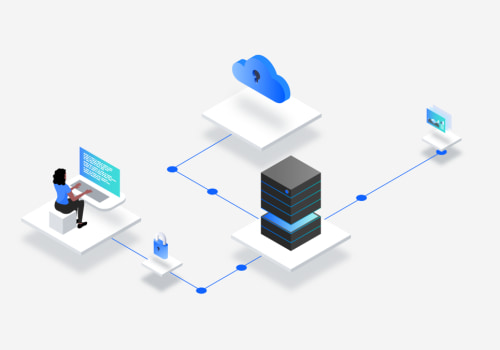
In today’s digital-first business landscape, information moves faster and reaches farther than ever before. While this connectivity improves efficiency and collaboration, it also increases exposure to security risks. Managed IT security services play a vital role in protecting sensitive data by controlling how information flows within and beyond an organization. Without structured oversight, data can be accessed, shared, or altered in ways that create vulnerabilities. Effective security management ensures that information reaches the right people at the right time—without unnecessary exposure or risk.
The Role of Controlled Information Flow
Controlled information flow is a cornerstone of modern IT security. It involves defining who can access specific data, how that data can be shared, and under what conditions it can be modified or stored. Managed IT security services establish these controls through access permissions, authentication protocols, and monitoring systems. By limiting data movement to approved channels, organizations reduce the likelihood of accidental leaks, insider threats, or external breaches. This structured approach transforms information from a potential liability into a managed, protected asset.
Layered Security Through Managed Services
Managed IT security services use a layered defense strategy to protect information at every stage of its lifecycle. Firewalls, intrusion detection systems, encryption, and endpoint protection work together to secure data whether it is stored, transmitted, or accessed remotely. Continuous monitoring allows security teams to detect unusual activity and respond before damage occurs. For organizations working with advanced document workflows and digital records, solutions supported by providers such as DuMo Informatik & Scanning AG document solutions benefit greatly from this layered security approach, ensuring that sensitive documents remain protected throughout their use.
Preventing Human Error and Internal Risks
While external threats often get the most attention, internal risks and human error remain some of the leading causes of data breaches. Managed IT security services address this challenge by implementing role-based access controls and user activity monitoring. Employees are granted only the permissions necessary for their responsibilities, reducing the chance of accidental data exposure. Security policies, combined with regular audits and system alerts, help organizations identify risky behavior early and correct it before it escalates into a serious issue.
Compliance, Accountability, and Transparency
Controlled information flow is also essential for regulatory compliance and accountability. Many industries require strict data handling standards, including audit trails, retention policies, and access logs. Managed IT security services ensure that these requirements are met consistently. By tracking who accessed information and when, organizations gain transparency into their data usage. This accountability not only supports compliance efforts but also builds trust with clients, partners, and stakeholders who expect responsible data management.
Supporting Secure Growth and Scalability
As organizations grow, their information systems become more complex. Managed IT security services provide scalable frameworks that adapt to increased data volumes, new users, and evolving threats. Instead of relying on reactive fixes, businesses benefit from proactive security strategies that grow alongside their operations. Controlled information flow ensures that expansion does not compromise security, allowing organizations to innovate and collaborate without increasing risk.
Turning Security Into a Strategic Advantage
Ultimately, managed IT security services do more than prevent breaches—they enable smarter, safer information use. By controlling how data flows through systems, organizations maintain operational efficiency while protecting their most valuable digital assets. This balance of access and security supports long-term resilience, making controlled information flow a strategic advantage rather than a constraint.